The CDA Foundation receives funding from various sources, including private foundations, commercial organizations, private donors, and government agencies. The majority of the funds come from non-profit organizations. With the exception of the generous support provided by our private donors, the remainder of the funding is generated through participation in a highly competitive proposal process.
CDA Foundation’s Funding Sources
A Comprehensive Breakdown of the CDA Foundation’s Funding Is Presented in the Sankey Chart Below.
Our most significant funding source has been the John C. Martin Foundation, which provided support for the establishment of the Polaris Observatory in 2015 and has continued to do so since. In addition, the Foundation provided funding for elimination demonstration projects in Uzbekistan (elimination of hepatitis B and C viruses (HBV and HCV) in the adult population) and treatment of HBV positive pregnant women in Uganda. The John C. Martin Foundation has committed to funding the Polaris Observatory until 2030, enabling us to provide pro bono support to countries during that period.
Our second largest funding source is Gilead Sciences. The majority of their funding was an $8 million grant (Relink Grants) to CDA Foundation. The funding is used to provide grants to U.S. state departments of health, health centers and universities to find HBV- and HCV-infected individuals who were diagnosed but lost to follow up and link them back to care (Relink). The program is treatment agnostic, and the grantees are free to use any available treatment they deem appropriate.
Gilead has also provided research grants and grants for HBV/HCV elimination projects in Uzbekistan, Kazakhstan, and Tajikistan. Receiving these funds include a highly competitive process where we compete with other organizations. Gilead Sciences is unique in issuing so many grants to support patients, communities, countries, and to conduct research studies. CDA Foundation has been successful in securing some of these grants because of our track record. We complete projects on time, within the budget, and achieve what we promise.
Private individual donors constitute our third-largest source of funding. Our founders are the primary contributors in this category.

Non-Profit Organizations
The following non-profit organizations have supported the CDA Foundation, listed in order of their contribution. This list is not exhaustive but represents over 90% of all funds received in this category.
- ZeShan Foundation
- Association of State and Territorial Health Officials (ASTHO)
- US CDC and CDC Foundation
- The Hepatitis Fund
- Vaccine Impact Modeling Consortium at Imperial College London
- World Health Organization (WHO) and Pan American Health Organization (PAHO)
- Medicines Patent Pool
- Iowa Department of Health and Human Services
- New York State Department of Health
- Swiss Federal Office of Public Health
- Saudi Arabia Ministry of Health
- DC Department of Health

For-Profit Organizations
Other for-profit organizations that have provided funding (primarily research support) are listed below in descending order of their contributions. While this list is not exhaustive, it represents over 90% of all funds received in this category. Their support has enabled us to expand our research into new diseases, including MASH, rare diseases, and special populations.
- AbbVie
- GSK
- Boehringer Ingelheim
- Novartis
- Pfizer
- Merck
- Roche
- Madrigal
- Intercept
Funding Uses
CDA Foundation directs its resources toward high-impact activities that support countries, partners, and global institutions in mitigating preventable suffering from treatable diseases.
Our funding supports the following core areas:
Country Support
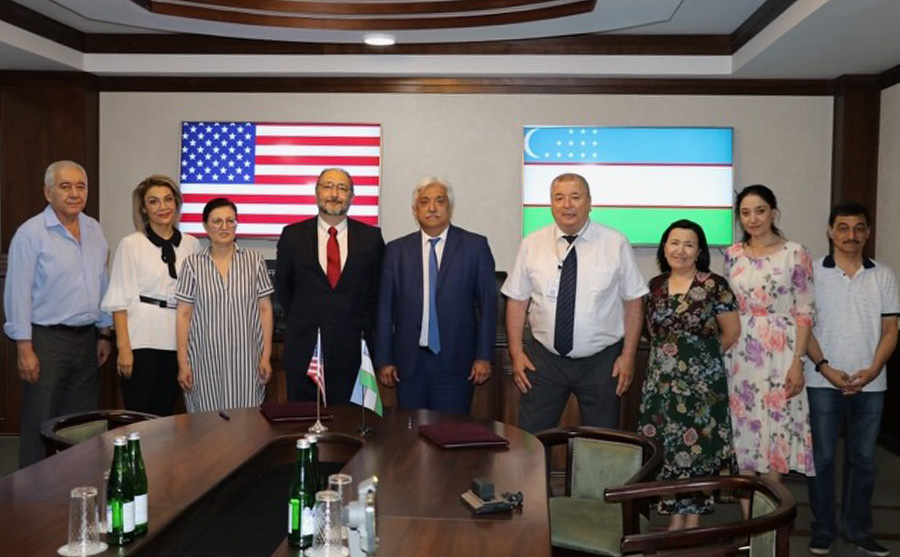
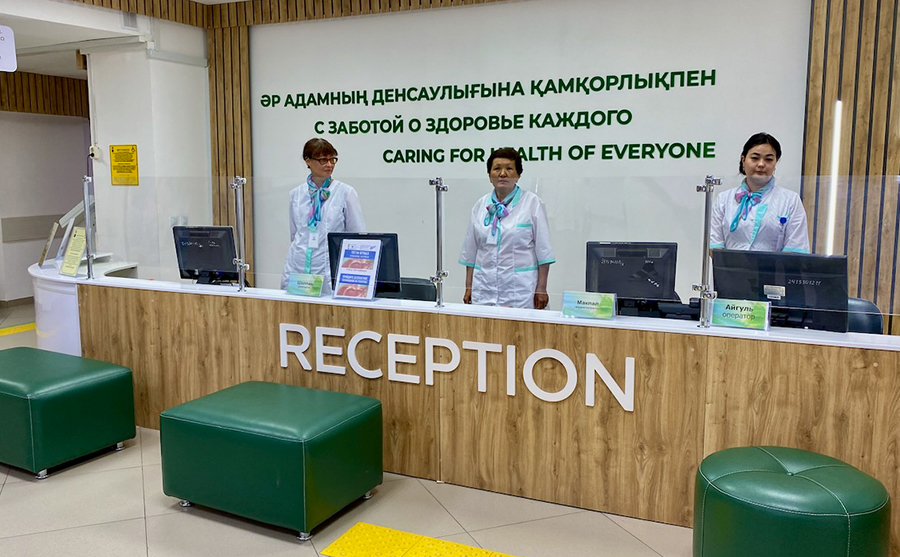
The majority of our funding is dedicated to providing pro bono technical assistance to countries. In exceptional circumstances, public health agencies, such as the Swiss Federal Office of Public Health or the New York State Department of Health, have provided financial support.
Our country support includes:
- Estimating disease burden at national and subnational levels for HBV, HCV, HDV, and MASH
- Developing national elimination strategies
- Estimating the impact of prevention, testing, and treatment programs
- Conducting economic and budget impact analyses
- Developing sustainable financing strategies
- Identifying priority sub-populations for testing and treatment
The impact of this work cannot be overstated. Our analyses and strategic support have directly contributed to expanded public funding for testing and treatment, the adoption of national strategies, and the removal of treatment access restrictions in multiple countries.
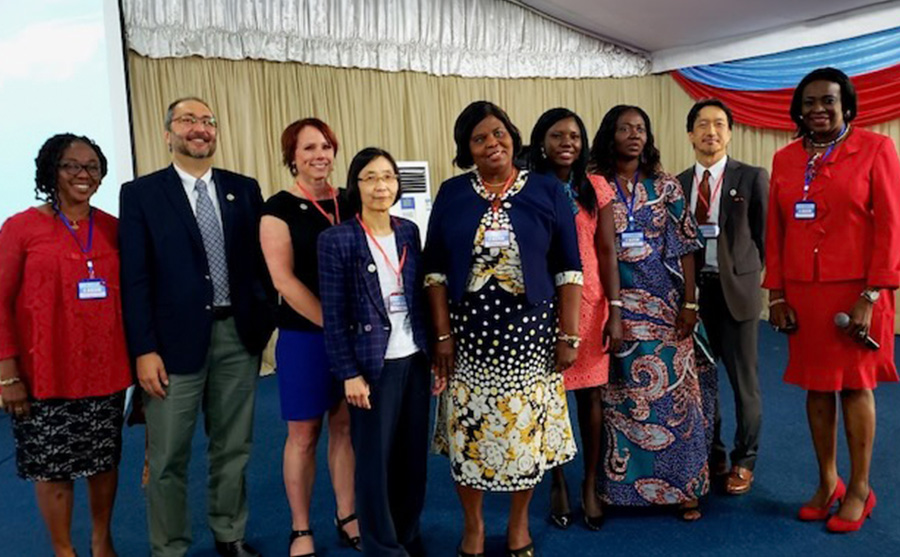
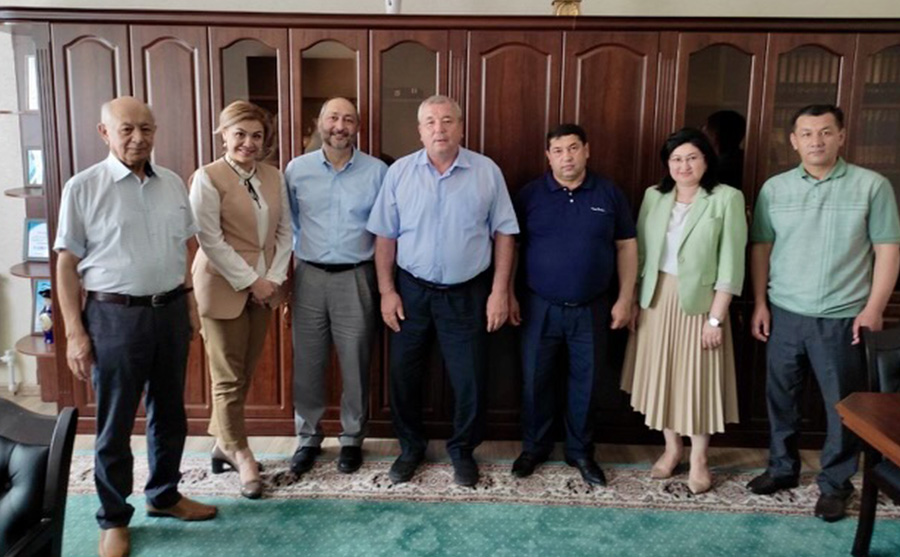
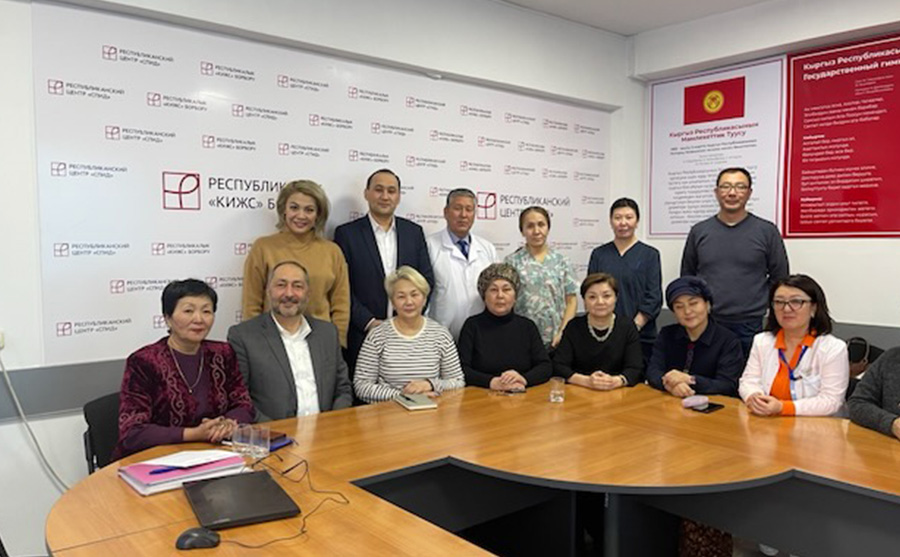
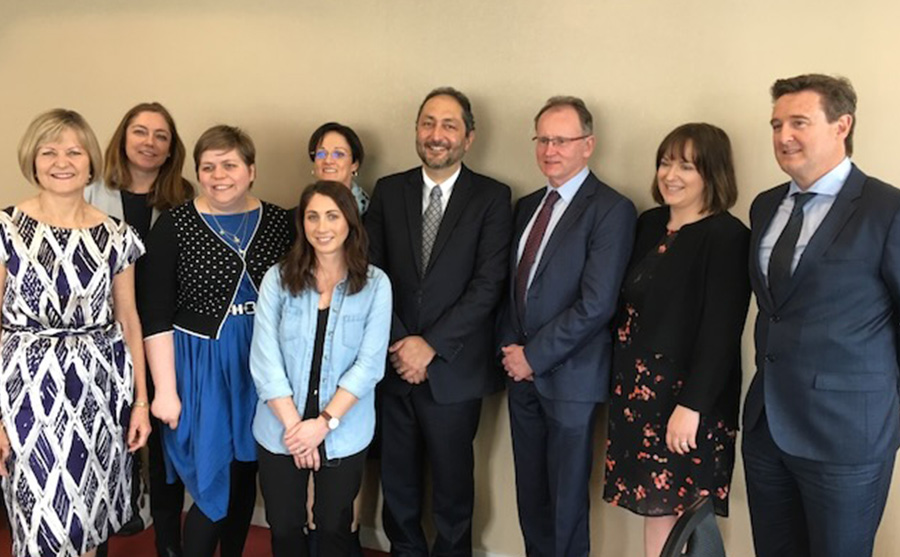
Country Meetings with CDAF
Grants & Donations
Through our grant programs (Grants), we support partners who are testing and scaling innovative, evidence-based models to improve access to care. Funded activities include:
- Patient awareness and education
- Case-finding and targeted screening
- Re-engagement of people who are out of care
- Strengthening linkage to care
- Improving access to equitable, high-quality testing and treatment
In addition, we support selected conferences and convenings that provide physician and patient education, training, and capacity building, helping to disseminate best practices and accelerate impact.
Polaris Observatory Updates
The annual update of the Polaris Observatory is one of our most resource-intensive and high-impact activities. Each update involves:
- A comprehensive global literature review
- Direct engagement with more than 1,000 national experts and organizations
- Updating 118 national HCV models and 176 national HBV models
- Aggregating results at regional and global levels, including extrapolation for countries with limited data
These updates provide the most current country-level data available on:
- Historical and projected HBV and HCV prevalence
- Historical cascades of care (diagnosis and treatment)
- Estimated annual cases of hepatocellular carcinoma, cirrhosis, and liver-related deaths
- Annual numbers of new cases
- The impact of prophylaxis programs
- Countries and regions on track to achieve WHO programmatic and impact elimination targets
All Polaris data are made available free of charge through the Polaris Observatory: Database Query.
Epidemiology & Research
One of CDA Foundation’s core strengths is its epidemiology and research capacity. Our team of trained experts uses a triangulated approach that integrates:
- Published scientific studies
- Empirical data from countries and programs
- Patient flow (“stock and flow”) modeling
Our methodologies incorporate temporal dynamics, including changes in disease burden, screening rates and accuracy, treatment uptake, and comorbidities. This approach generates estimates that are both robust and grounded.
Although no forecast is infallible, our estimates have consistently proven reliable and our forecasts for HBV, HCV, HDV, and MASH remain among the most widely cited in the field: Publications.
Elimination Demonstration Projects
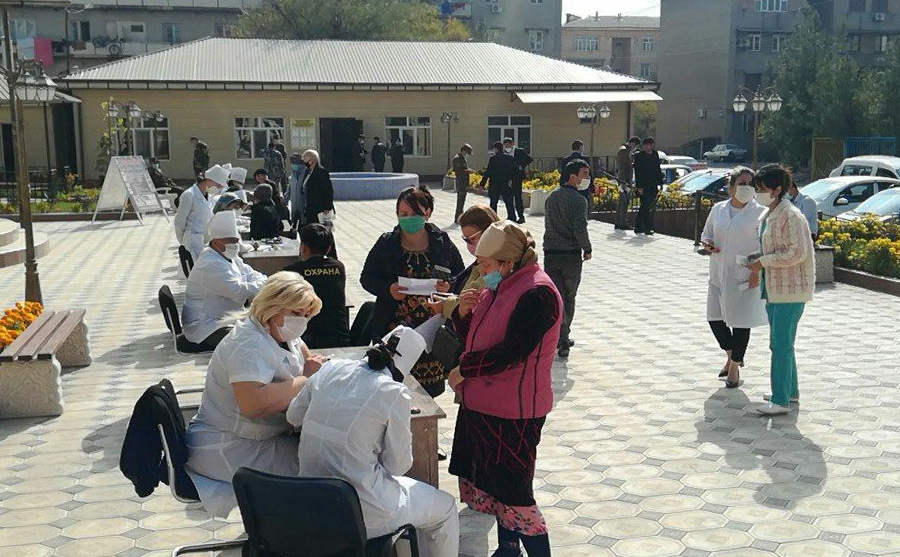
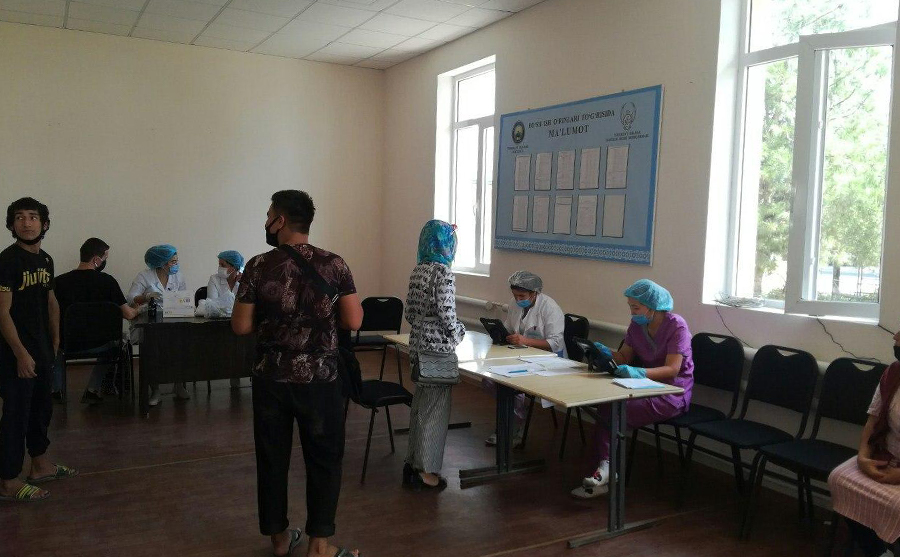
Elimination demonstration projects have been central to our success in expanding access to HBV and HCV testing and treatment. We design, fund, and implement national-scale demonstration programs that show the feasibility of large-scale testing and treatment in both urban and rural settings, particularly in low- and middle-income countries.
Using a franchise-style model, we provide all essential components of a national elimination program, including:
- Access to low-cost, quality diagnostic tests and treatment
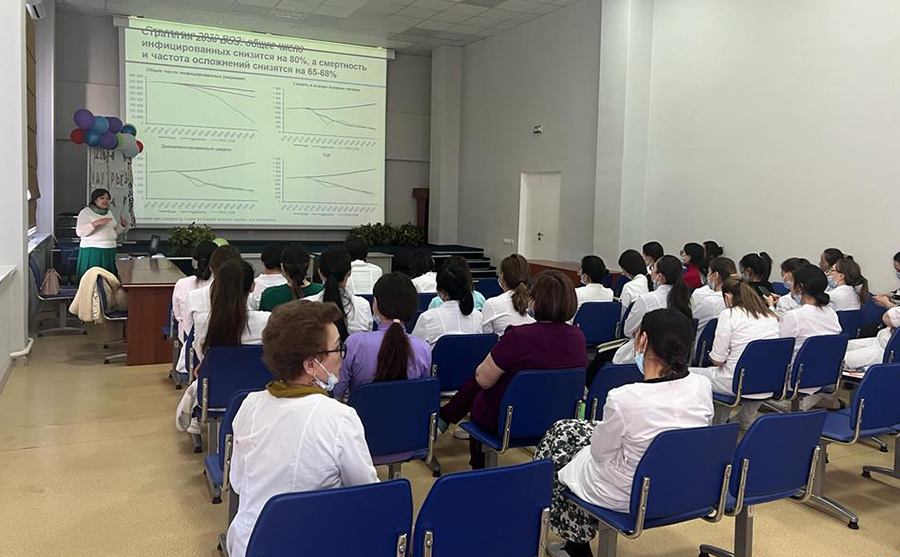
- Training for physicians and nurses
- Local project coordinators
- Patient registries to track progress
- Statistical analyses to interpret outcomes
- Costing and budget estimates for national scale-up
These programs require co-funding by national governments and have resulted in expanded publicly funded access to testing and treatment in every country where they have been implemented.
Innovations & Optimizations
WHO Support
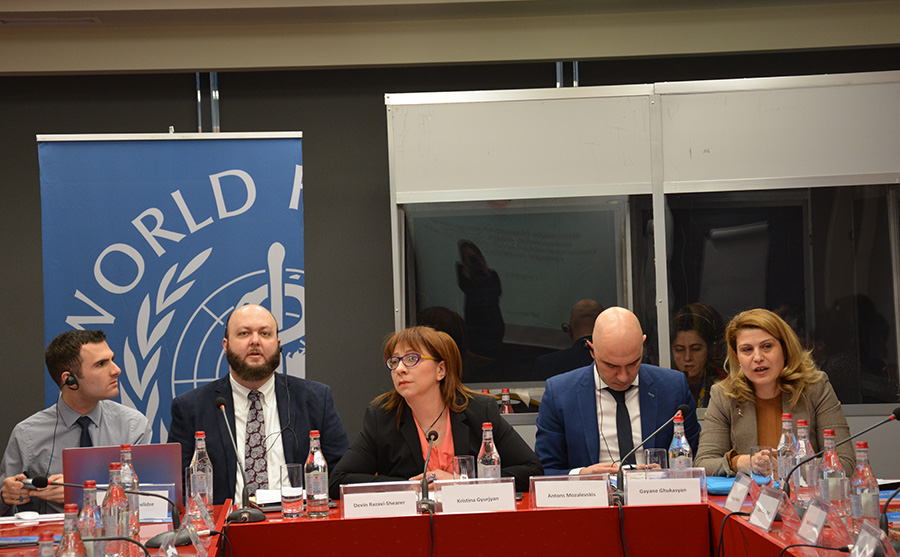
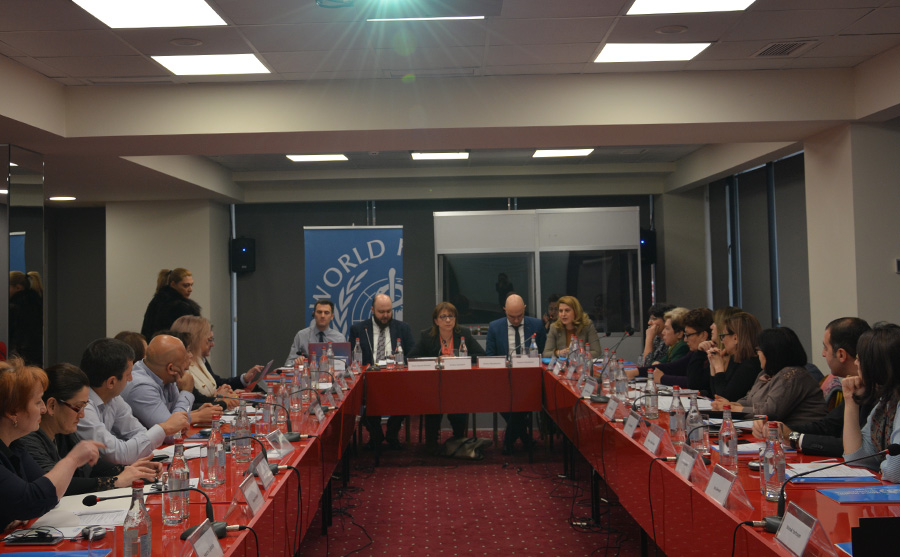
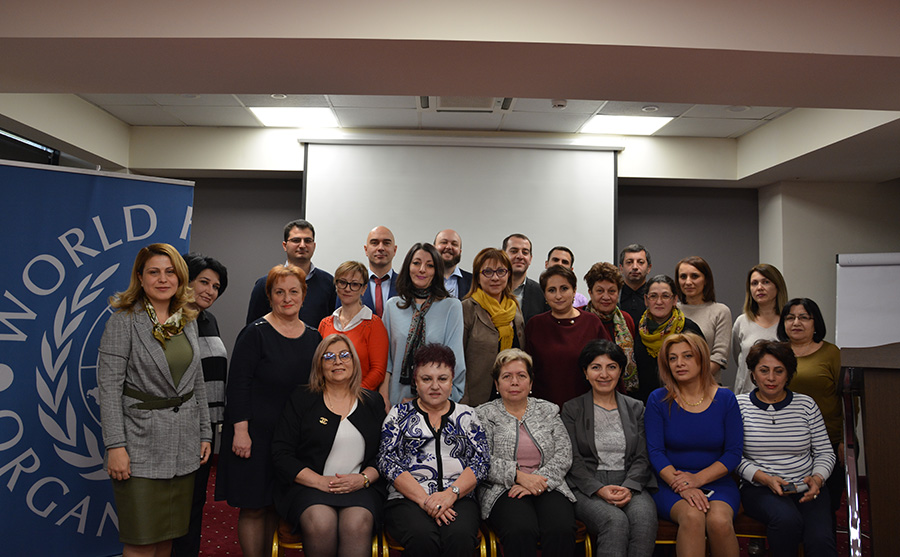
Since 2012, CDA Foundation has provided analyses and data to the World Health Organization (WHO) at global, regional, and country levels.
- At the global level, our work informed WHO’s Global Viral Hepatitis Reports
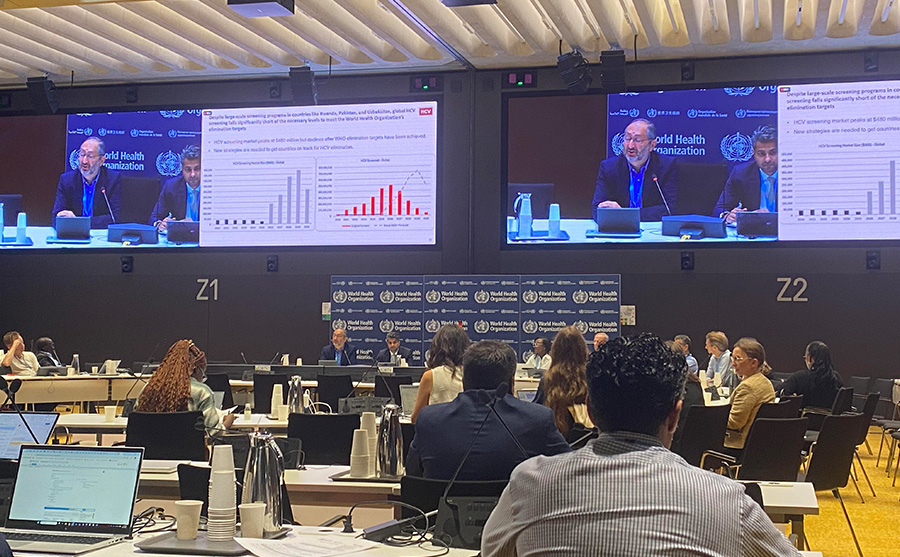
- We have conducted targeted analyses to support updates to guidelines and assessments of diagnostic and treatment market size for engagement with manufacturers
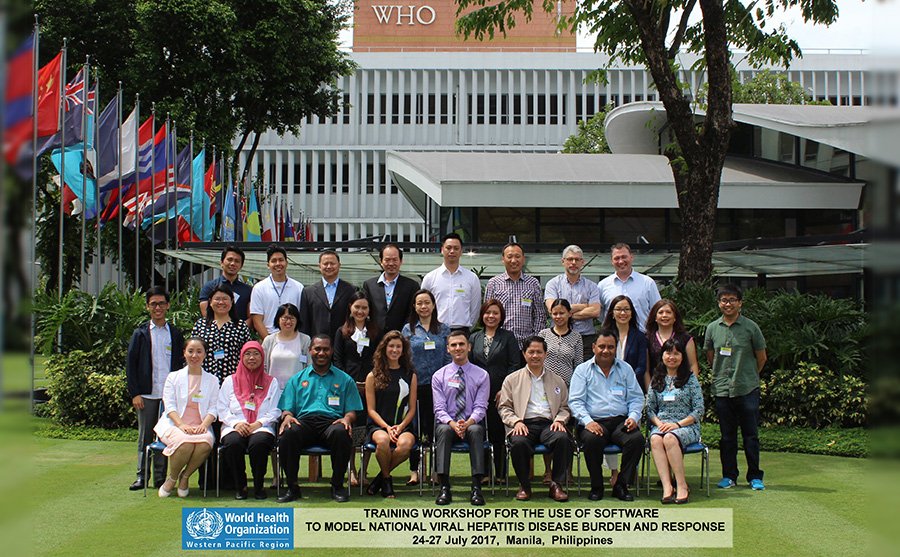
- At regional and country levels, we have provided training and direct technical support
Although WHO regional offices such as WPRO and PAHO have occasionally provided funding for country analyses, the majority of this work has been delivered pro bono.
Innovations & Optimizations
Treatment & Diagnostics
In 2017, CDA Foundation established the Global Procurement Fund (GPRO) to support pooled procurement of affordable, high-quality diagnostics and treatments for low- and middle-income countries. Although GPRO was officially terminated in 2024 due to limited demand from partner countries, the initiative successfully established significant partnerships with diagnostic and generic medicine manufacturers.
Through GPRO, partners committed to providing low-cost products and registering them in target countries to enhance access. During its operational period, GPRO supported product delivery to the following countries:
- Cameroon
- Denmark
- Ethiopia
- Fiji
- Ghana
- India
- Kiribati
- Myanmar
- Papua New Guinea
- Solomon Islands
- Spain
- Tonga
- Uganda
- Uzbekistan
- Vanuatu
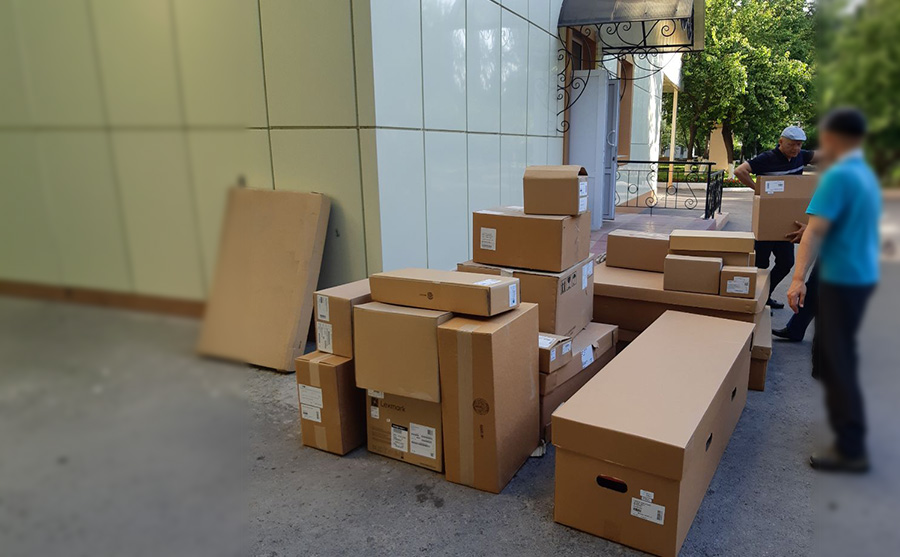
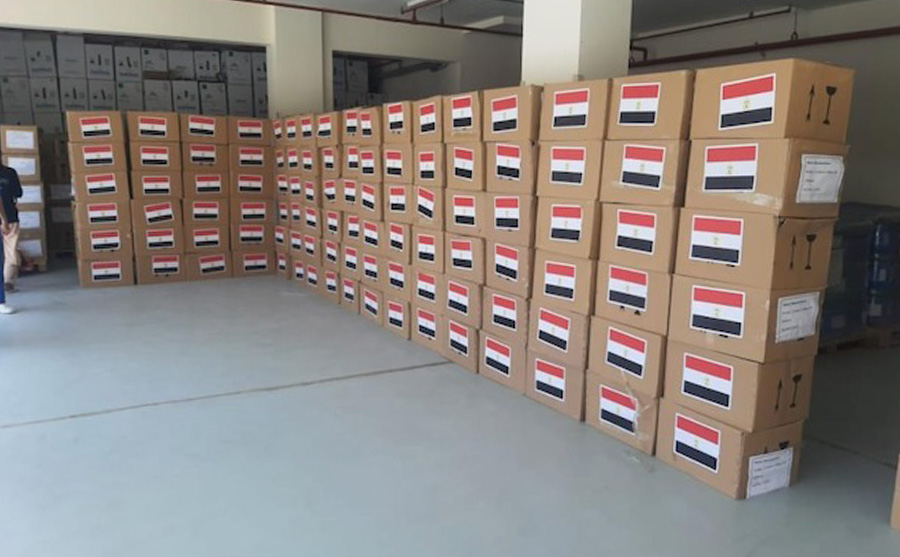
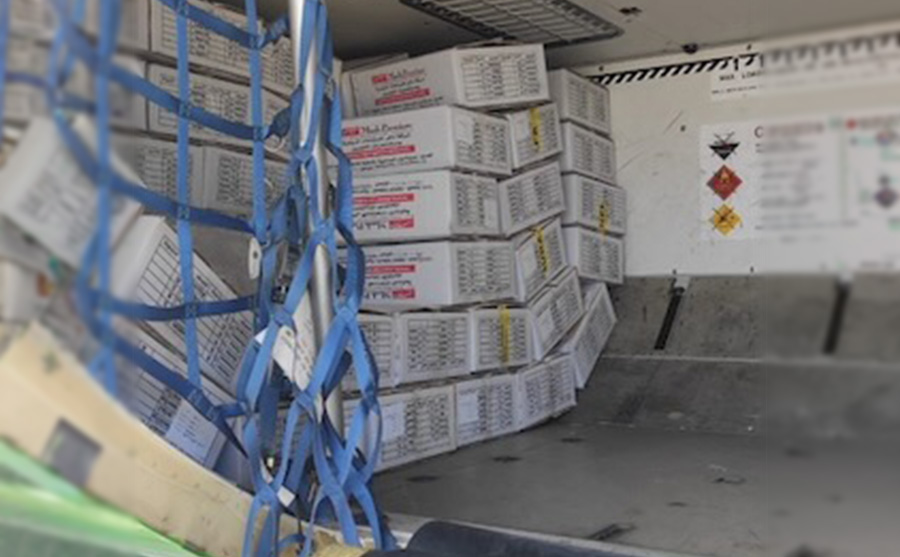
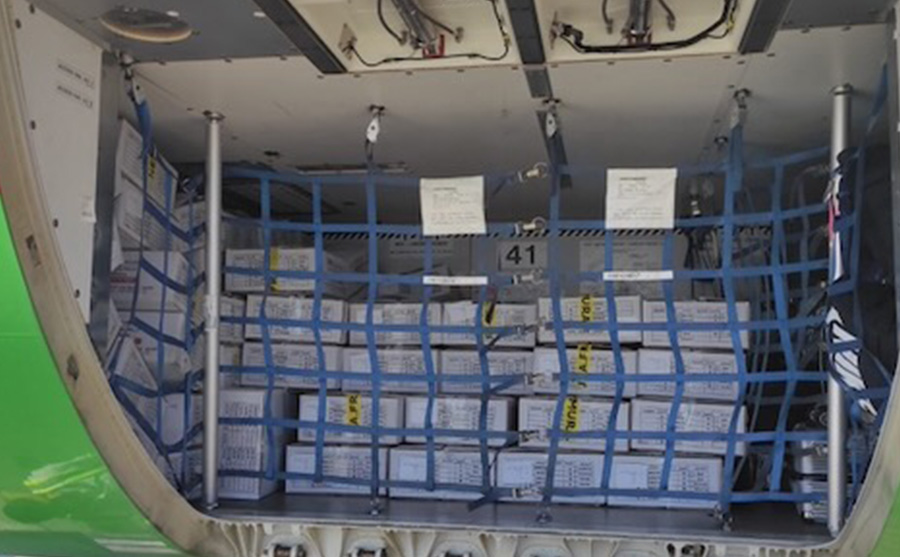
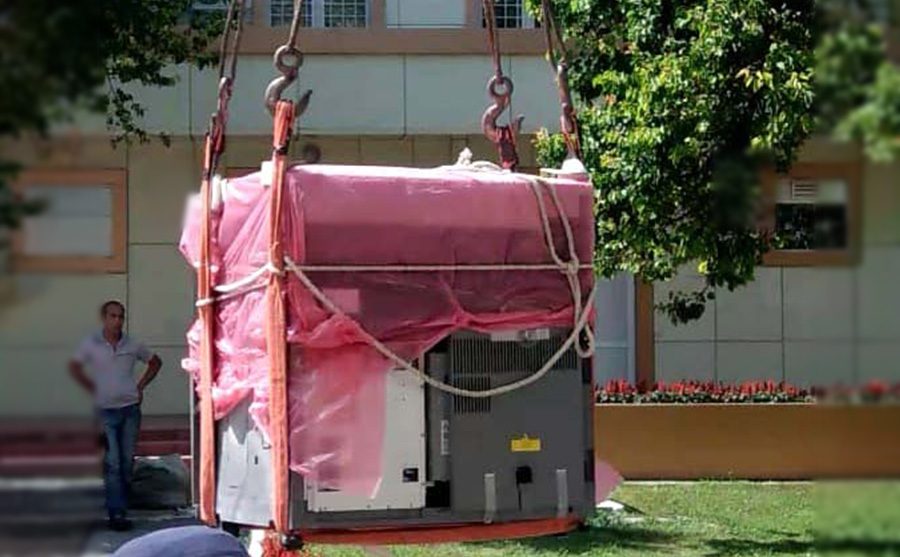
Donated Medicine
Frequently Asked Questions
The CDA Foundation appears to engage in extensive research and publish scientific papers. However, why are you not affiliated with an academic institution?
Regrettably, in the United States, academic institutions mandate that a substantial portion of all grants (at least 20%) be allocated to the institution for overhead expenses. We perceive this as an exorbitant cost for the benefits accrued. Despite this, we have successfully established ourselves as a highly respected research organization. We have more than 160 publications in peer-reviewed journals and our work has been referenced more than 46,000 times.
Is CDA Foundation a family foundation?
No. While the CDA Foundation does have family members on its board and working for the foundation, all family members are highly qualified for their respective positions.