CDA Foundation
Saving Lives,
Globally.
Outcome-driven solutions that help health systems find people in need, guide decisions, and close gaps in care.
Vision
To end preventable suffering and premature death from treatable diseases—through innovation, decision support, equitable healthcare, and global collaboration—so every person can live with health, dignity, and hope.
Mission
Use data, modeling, and partnerships to design, test, and support practical solutions that help health systems find people in need, guide decisions, and close gaps in care.

Sound Science and Logic Is the Cornerstone of Everything We Do.
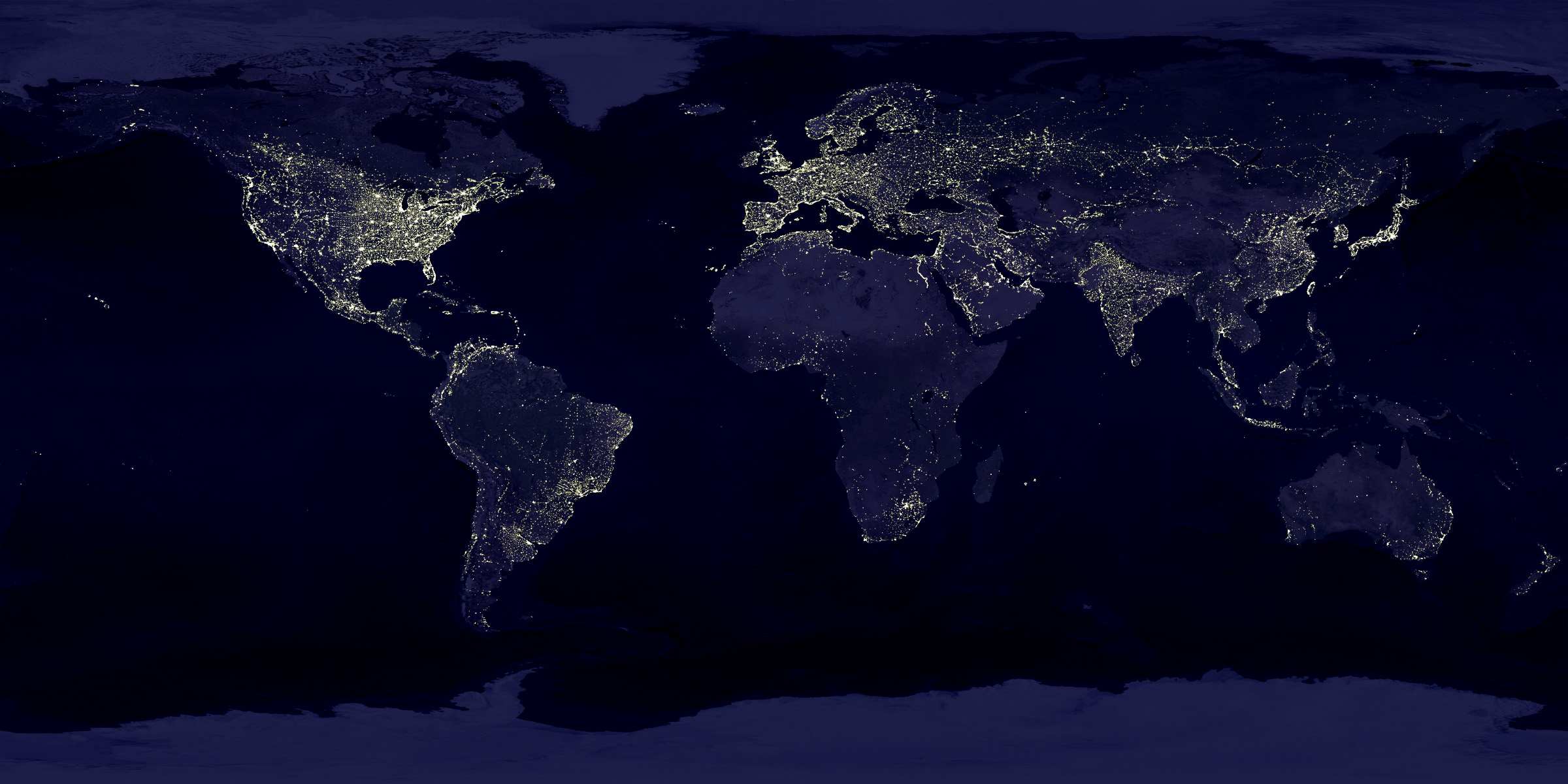
We combine epidemiology, modeling, and expert input to estimate current and future disease burden — grounding action in real-world data.
WHO Collaborating Center
The Polaris Observatory is designated as a WHO Collaborating Centre for Disease Epidemiology Analytics on Viral Hepatitis and Liver Diseases.
Impact.
Global Policy & Access Impact
Due to our work
People globally have access to publicly funded hepatitis C and/or B screening.
People globally have access to publicly funded hepatitis C and/or B laboratory tests.
People globally have access to publicly funded or subsidized hepatitis C and/or B treatment.
Direct Program Impact
Due to our work
People in the US with known hepatitis C or B virus infection who were contacted.
People in the US infected with hepatitis C or B virus who were linked to care.
People who were tested for hepatitis B and C in Uzbekistan.
People who were treated for their HCV infection in Uzbekistan.
Our Approach
We combine innovation, decision support, equitable healthcare strategies, and global collaboration to strengthen systems so that every person — regardless of where they live — can access the care they need.
CDA Foundation partners with governments, frontline providers, researchers, and patient organizations to tackle the global challenge of under-treated, untreated, preventable disease through:
1. Innovation
We develop and support new tools, models, and approaches that help health systems identify people at risk, understand disease burden and economic impact of inaction/action, and close critical gaps along the care pathway.
2. Decision Support & Data
We collect and analyze data and build analytical tools and modeling platforms that help policymakers and health programs forecast needs, allocate resources, and plan effective interventions.
Our work includes:
- Disease burden estimates
- Disease burden modeling and forecasting under different scenarios
- Economic and budget impact of inaction and different strategies
- Care cascade analysis
Real-time program monitoring
3. Equitable Healthcare
We work to ensure that underserved and marginalized communities are reached with high-quality, effective, and culturally responsive care.
Our partners focus on bringing treatment to people who are:
- Lost to follow-up
- Disconnected from care
- Experiencing barriers due to geography, stigma, or cost
4. Global Collaboration
We collaborate with governments, health systems, patient groups, and academic experts to co-create solutions that can be integrated and sustained locally.
Our work spans multiple diseases and regions, with an emphasis on scalable impact.
Programs & Tools
Research & Publication
Best known for our research, we combine practical epidemiology research and modeling to estimate disease burden. We publish the results to increase disease awareness and drive action
Polaris Observatory
We guide Hepatitis B & C regional, national, and global planning and decision support with comprehensive disease-burden estimates, data, and forecasting tools.
Grants & Implementation Support
We use targeted grants to help partners test and scale innovative high-impact models for case-finding, retesting, linkage, and re-engagement.
Partnerships
We work directly with global health organizations, ministries of health, NGOs, universities, and health systems to develop equitable healthcare strategies.
Our Funding & Financial Transparency
Funding Independence
CDA Foundation is committed to independence, integrity, and transparency in all our work.
No Product-Specific Funding
We do not accept funding for product-specific analyses. We accept research support only to study diseases and the public health impact of classes of medicines, diagnostics, and vaccines — not individual products.
Full Scientific Independence
All donor and research grant agreements explicitly state that funders have no role in study design, data collection, data analysis, data interpretation, or the preparation of manuscripts.
Strict Conflict-of-Interest Safeguards
CDA Foundation employees, leadership, and management are not permitted to accept honoraria, consulting fees, or personal payments from funders or partners. Any such funds must be donated directly to CDA Foundation.
Independent Financial Oversight
Our finances are reviewed annually by an independent external audit firm, which reports directly to the Board of Directors.
IRS Filings & Managements’ Salary (Form 990)
Our Conflict-of-Interest Policy
The Polaris Observatory was created in 2015 with funding from The John C. Martin Foundation. Since 2024, it has been fully funded by the Foundation.